service guide
Moving a Creative Studio in Oakland: Art, Equipment, Materials, and Zero Mystery Cables
A studio relocation plan for artists, photographers, designers, and makers moving fragile work, tools, backdrops, computers, archives, and supplies.
Written by Movers In Bay Area Editorial Team. Reviewed by Local Move Team. Updated June 11, 2026.
Quick takeaways
- Group the studio by workflow, not object size.
- Archive and active work need different handling.
- The destination setup sequence should protect production deadlines.
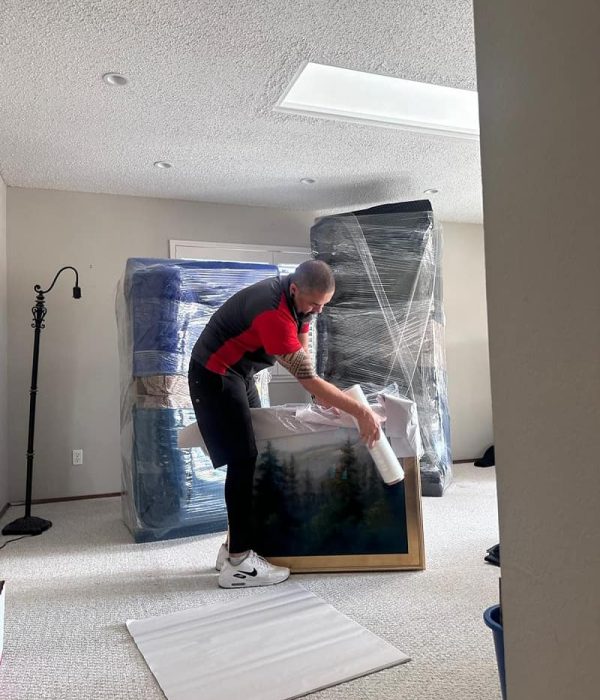
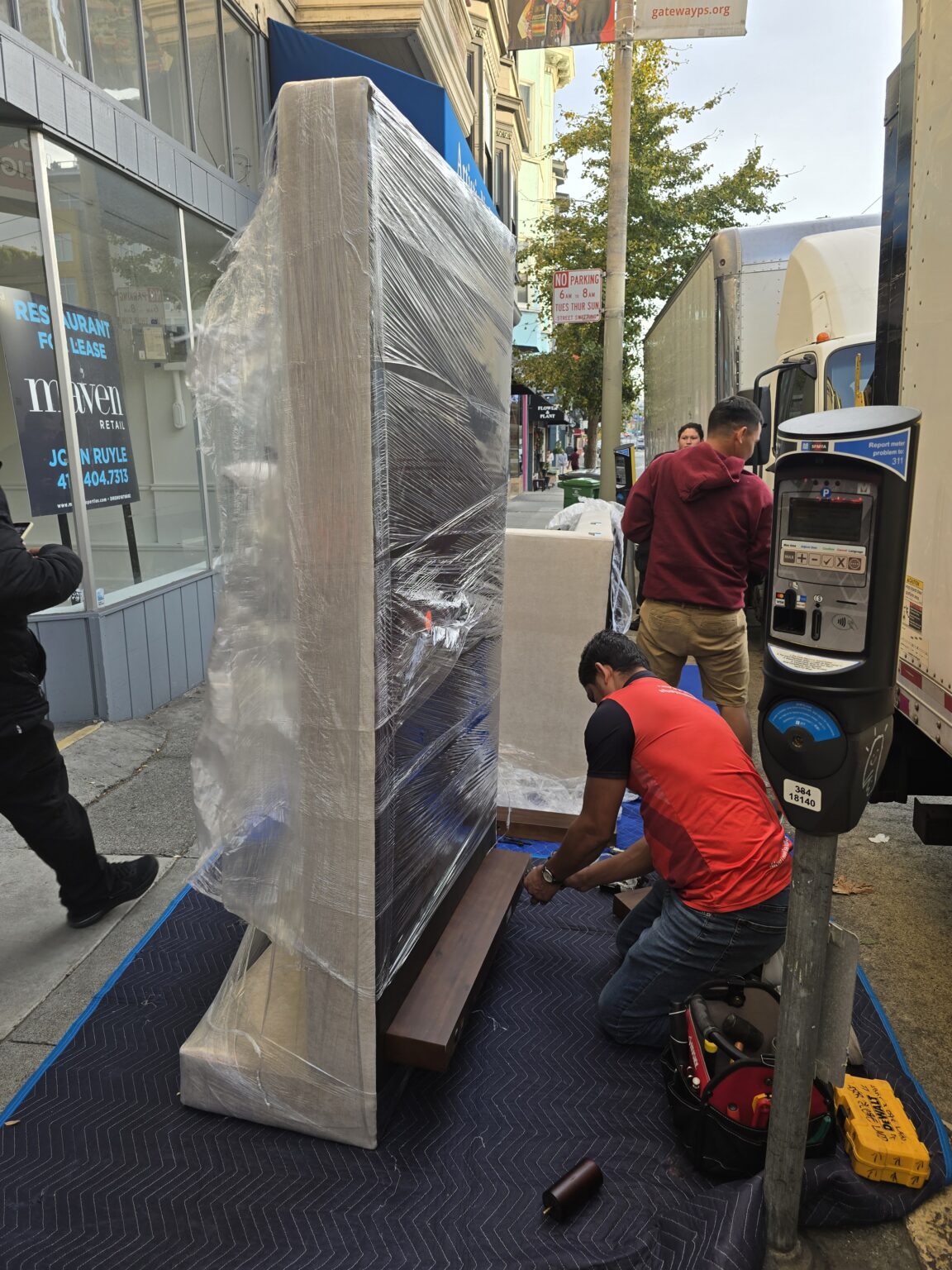

01Map how work moves through the studio
Separate intake, production, finishing, storage, photography, shipping, and administration. Pack and label by workflow so the new space can restart logically.
02Classify materials and tools
Identify fragile, sharp, heavy, liquid, temperature-sensitive, valuable, and restricted items. Confirm what the mover can handle and what needs another plan.
03Protect active projects
Current commissions, client work, negatives, drives, prototypes, and deadlines should be isolated from general studio inventory with clear custody.
Ready to see what your move would cost?
04Photograph every technical setup
Document lights, stands, audio, cameras, printers, computers, machinery, and cable paths. Label components by station rather than placing all cables together.
05Rebuild the production core first
Restore safety, power, ventilation, internet, essential tools, active-project storage, and shipping before organizing the entire archive.
06Use the move to improve material flow
Before rebuilding every old shelf, decide where raw materials, active work, finished pieces, photography, packing, and shipping should live. A relocation is a rare chance to remove the daily friction created by an inherited studio layout.
Frequently asked questions
Can movers transport art materials?
Policies vary by material, so disclose liquids, chemicals, sharp tools, fragile work, and unusual equipment early.
How should active artwork be handled?
Inventory, photograph, protect, and assign clear custody based on value and fragility.
What should be unpacked first?
Set up the minimum safe workflow needed for active commitments.