
service guide
Bay Area Electronics Moving Guide
A careful moving guide for TVs, monitors, speakers, computers, gaming setups, office electronics, packing, cable notes, and fragile handling.
Written by Movers In Bay Area Editorial Team. Reviewed by Local Move Team. Updated June 1, 2026.
Quick takeaways
- Keep original boxes for electronics whenever you still have them.
- Cables and small parts disappear fast without a labeling system.
- Screens should travel upright, never flat under other items.
01Keep the original boxes if you still have them
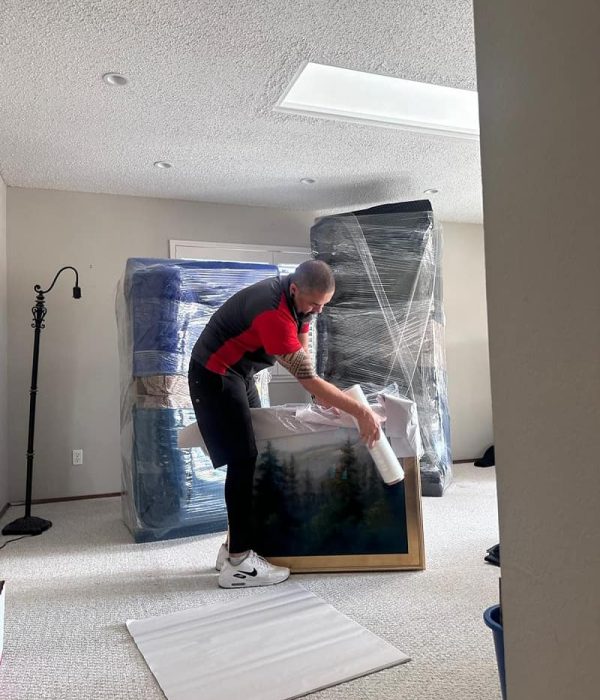
Manufacturer packaging is built specifically for the item inside, with foam and inserts that generic moving boxes can't match. If you still have the box a TV or monitor came in, it's worth the closet space.
02Cables and small parts disappear fast
Power cords, remotes, and mounting hardware are easy to separate from their devices during a move. Bag and label them by device before anything gets packed, not after.
03Screens need to travel upright, not flat
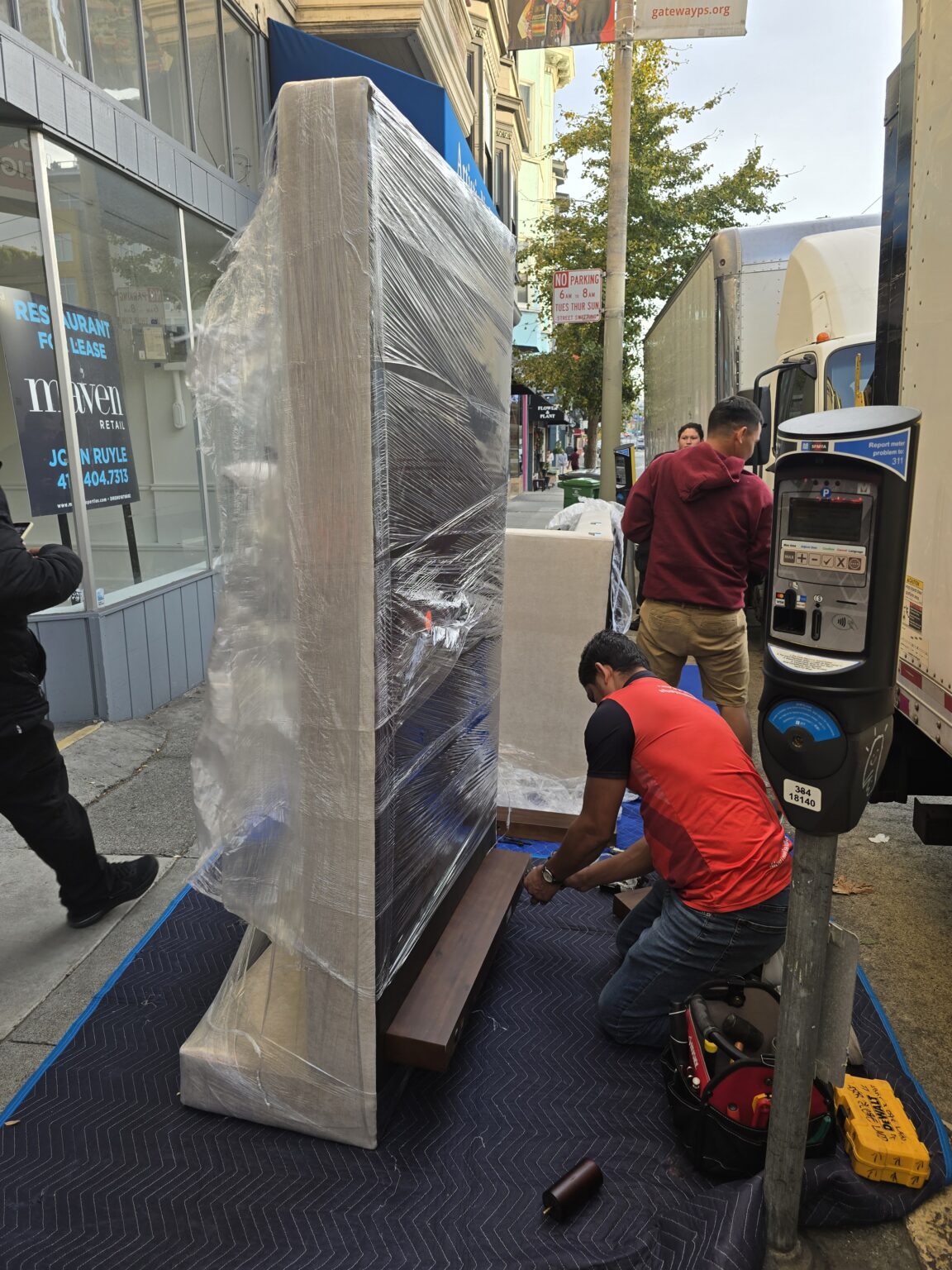
TVs and monitors are more vulnerable to internal damage when laid flat than most people realize. Keep them upright during transport and loading, the same way the manufacturer shipped them.
Ready to see what your move would cost?
04Tell your mover what's inside before it's sealed
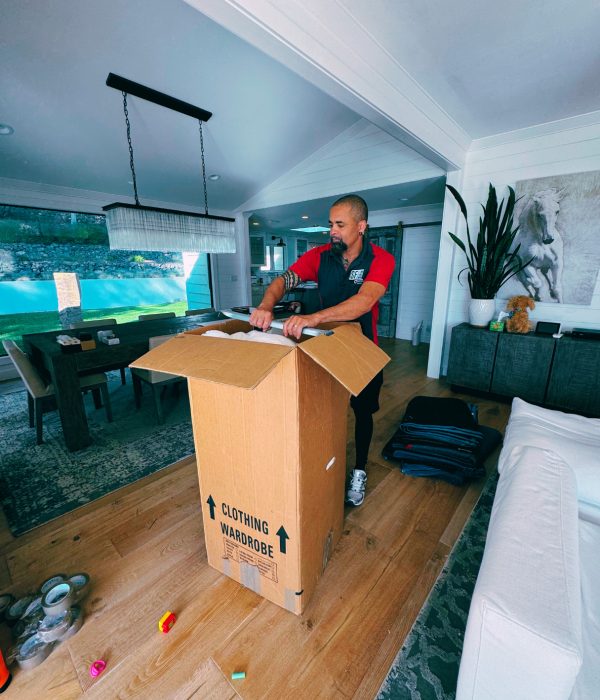
A box labeled "electronics, fragile, this side up" gets handled differently than an unmarked box. A few extra words on the label change how carefully it's carried.
05A home office needs its own priority list
Monitors, docks, and work equipment often need to be functional again quickly. Pack and label your home office setup as its own category so it doesn't get buried in general boxes.
Frequently asked questions
Should I keep original boxes for TVs and monitors?
Yes, if you have the space — manufacturer packaging protects better than generic moving boxes.
How should I handle cables and remotes?
Bag and label them by device before packing, so nothing gets separated from what it belongs to.
Can a screen be laid flat during a move?
It's safer to keep it upright — the same orientation it likely shipped in originally.