service guide
Bay Area Retail Store Moving Plan
A commercial moving article for Bay Area retail stores moving shelving, inventory, displays, fixtures, back-room boxes, access, and timing.
Written by Movers In Bay Area Editorial Team. Reviewed by Local Move Team. Updated June 1, 2026.
Quick takeaways
- After-hours timing protects your sales days.
- The back door matters as much as the front for a retail move.
- Reopening is the actual goal, not just relocating.
01After-hours timing protects your sales days
Scheduling the move for evenings, early mornings, or a slower day of the week keeps a retail move from cutting into your busiest sales windows. Plan the calendar around revenue, not just convenience.
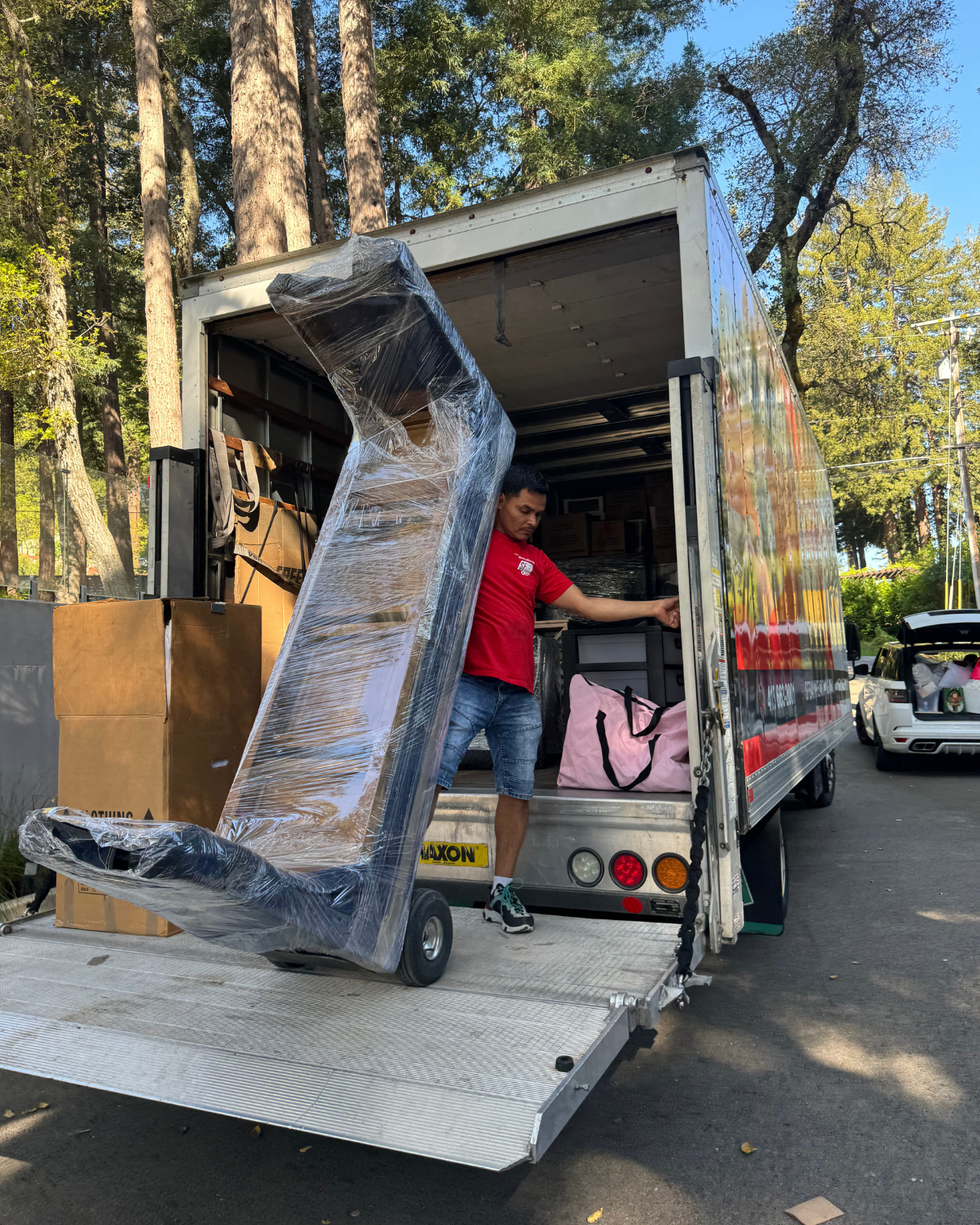
02The back door matters as much as the front
Rear alley access, loading dock rules, and freight elevator availability shape a retail move as much as the front entrance does. Confirm both before assuming the front door is the only option.
03Displays need a fragility plan, not just bubble wrap
Mirrors, glass shelving, and delicate displays deserve a specific handling plan, not a generic "wrap everything" approach. Flag what needs the most care before the crew starts loading.
Ready to see what your move would cost?
04Know your rear alley access before moving day
A loading zone that looks fine on a map can turn out to be too narrow or already occupied. Check the actual access in person if you're not sure.
05Reopening is the actual goal, not just relocating
A retail move succeeds when the new location can open for business quickly — safety, POS, and stocked shelves matter more on day one than a perfectly arranged stockroom.
Frequently asked questions
Should a retail move happen during business hours?
Usually not — after-hours or early-morning moves protect your busiest sales windows from disruption.
What if my store only has rear alley access?
Confirm loading dock rules and alley width in advance so the crew arrives prepared for the actual access, not the front-door assumption.
What should reopen first after a retail move?
Safety, working locks, POS systems, and enough stock to function — decorative details can follow in the days after.