city guide
San Francisco Walk-Up Moving Guide
A San Francisco walk-up moving guide for old buildings, stairs, tight halls, curb timing, large furniture, and short quote follow-ups.
Written by Movers In Bay Area Editorial Team. Reviewed by Local Move Team. Updated May 28, 2026.
Quick takeaways
- San Francisco walk-up moves need stair count, hallway turns, curb access, and large-item notes before a quote gets specific.
- The best follow-up details are floor, exterior stairs, interior stairs, loading spot, ZIPs, and furniture that may need disassembly.
- This page supports San Francisco, apartment moving, parking/loading, and short-form quote intent.

01Walk-up moves are really carry-path moves
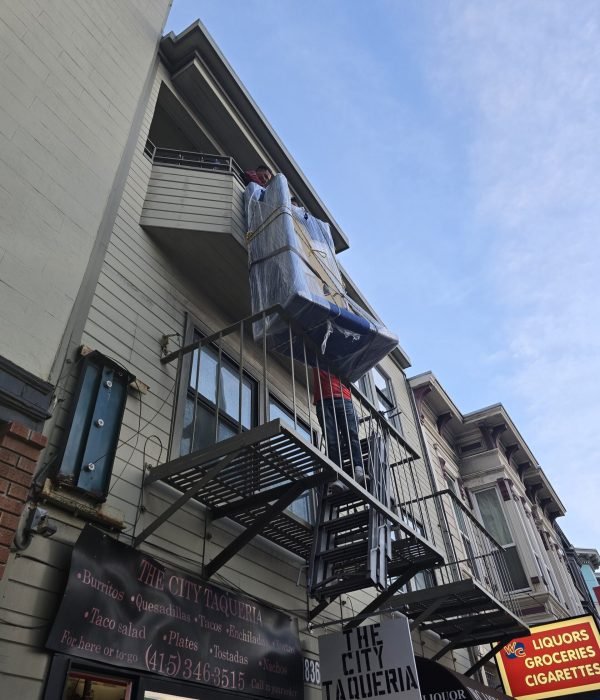
A San Francisco walk-up can be a small apartment on paper and still take careful planning if the stairwell turns sharply, the entry is narrow, or the truck has to stage down the block. That is why the follow-up should ask about the path from curb to door, not just the number of bedrooms.
- Share the floor number and whether stairs are interior or exterior.
- Mention narrow halls, tight turns, and low clearances.
- Call out if the crew has to carry from a metered curb, hill, alley, or loading area.
02Old buildings need plain furniture notes
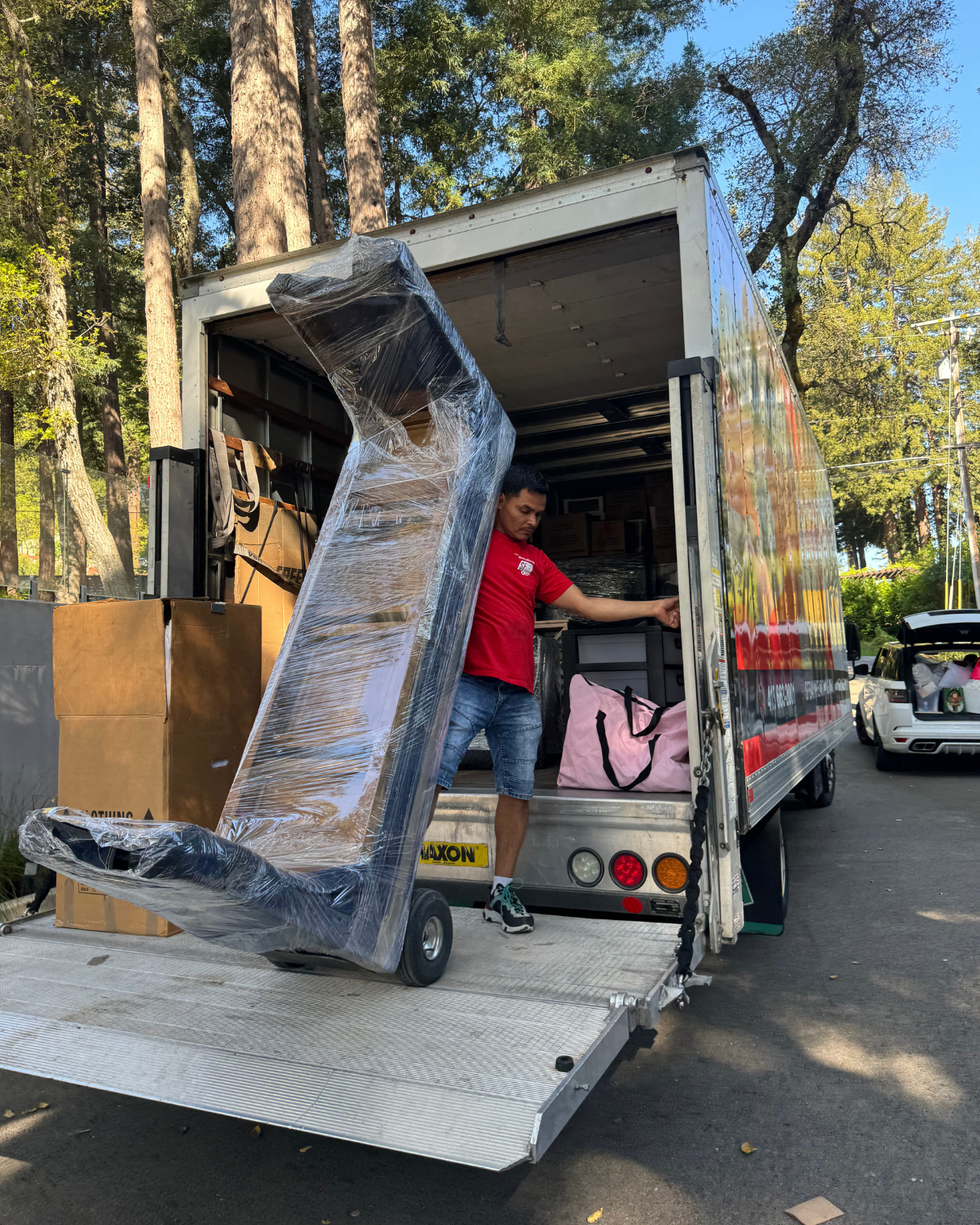
Many SF buildings were not designed around modern sectionals, king mattresses, large desks, or oversized dressers. If a piece barely got in the first time, that detail belongs in the quote conversation before move day.
- List sectionals, dressers, mattresses, desks, tables, and bed frames.
- Mention whether disassembly is likely.
- Send a quick photo if a stair turn or entry feels questionable.
03Curb access can be the difference
The truck plan matters in neighborhoods where the closest legal spot may be around the corner or on a hill. A good quote follow-up should capture the street, cross street, loading zone, driveway, garage, or building entrance the crew can actually use.
Ready to see what your move would cost?
04Elevator rules do not help a walk-up, but building rules still matter
Even without an elevator, buildings may have move hours, hallway protection rules, management contacts, or certificate requirements. These are small details that prevent awkward day-of surprises.
- Ask about building move hours.
- Check if hallway protection is required.
- Mention if the building has a manager or HOA contact.
05Keep the first step easy
The short form should stay short. Name, phone, and email start the conversation; stairs, curb, ZIPs, furniture, and timing sharpen the quote after the lead is created.
06Where this page fits in the cluster
This article connects San Francisco city intent with apartment moving, parking and loading-zone questions, and quote-ready residential leads.
Frequently asked questions
What details matter most for an SF walk-up move?
Floor number, stair count, hallway turns, curb distance, large furniture, ZIPs, and building rules are the most useful details.
Should I mention if parking is bad?
Yes, but be specific. Say where a truck can legally stage, even if that spot is around the corner or downhill.
Can a small walk-up move still need planning?
Yes. Small inventories can still be tricky when stairs, turns, parking, or large furniture are involved.