Local details change the whole day
Bay Area City Moving Guides Built Around Local Access
A city name is only the beginning. The useful local plan combines the neighborhood or ZIP, building type, legal staging point, terrain, route, and destination access.
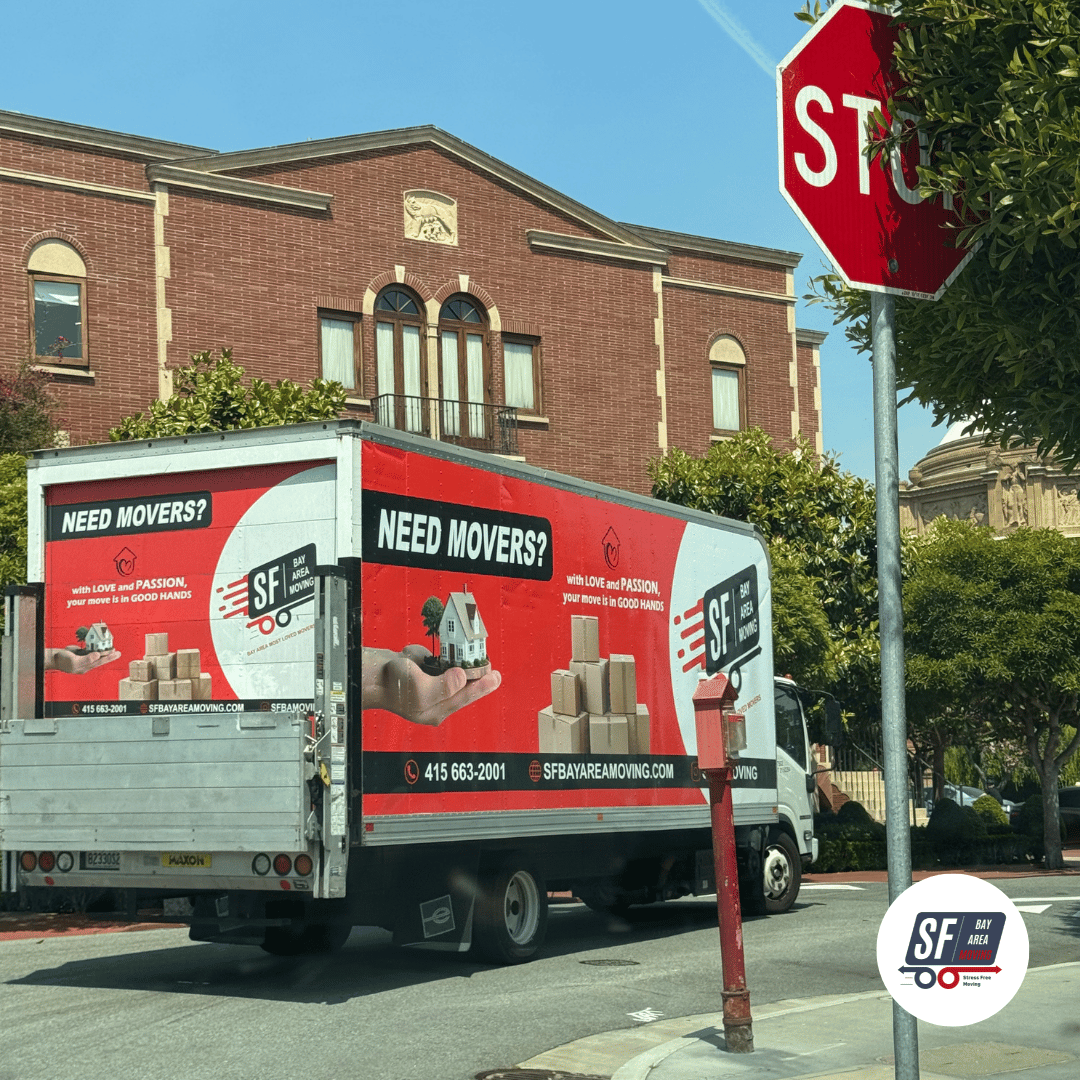
Bay Area cities can be close on a map and completely different on move day. Local pages connect the address to parking, building type, terrain, routes, and timing.
San Francisco and the coast
Curb access, hills, walk-ups, elevator windows, fog, narrow streets, and Highway 1 can shape the plan.
- Describe the block, not just the city.
- Flag steep or narrow approaches.
- Confirm loading and building windows.
Peninsula and South Bay
Apartment communities, townhome garages, office campuses, gated access, and cross-city routes create their own questions.
- Share garage clearance and gate details.
- Use both ZIPs for route context.
- Separate office and residential requirements.
East Bay
Oakland hills, Berkeley lease turnover, Alameda access, storage jobs, bridges, and mixed building types need specific notes.
- Call out driveway slope and stairs.
- Plan around bridge or corridor timing.
- Explain storage and labor-only scopes clearly.
North Bay and Tri-Valley
Longer local routes, larger homes, downtown apartments, driveways, and schedule windows make address-level detail valuable.
- Name the realistic date window.
- Describe home and driveway access.
- Mention packing or large-item needs early.
SERVICE LINKS THAT MATCH THIS GUIDE
CITY PAGES TO CHECK NEXT
QUESTIONS PEOPLE ASK AROUND THIS TOPIC
Why does the ZIP matter if I already gave the city?
Bay Area cities cover many different routes and building environments. ZIPs help make the origin and destination more specific.
Do local pages guarantee availability in every city?
No. They explain common planning considerations. Availability and move fit are confirmed during follow-up.
What local detail is most often forgotten?
Where the truck can legally and practically stage, followed closely by stairs, elevator reservations, and long carries.