Make the day work between the addresses
Bay Area Moving Day Logistics: Parking, Routes, Timing, and Access
Moving-day logistics are the practical details that keep the crew, building, truck, and customer on the same timeline. The earlier those constraints are visible, the fewer surprises show up at the curb.
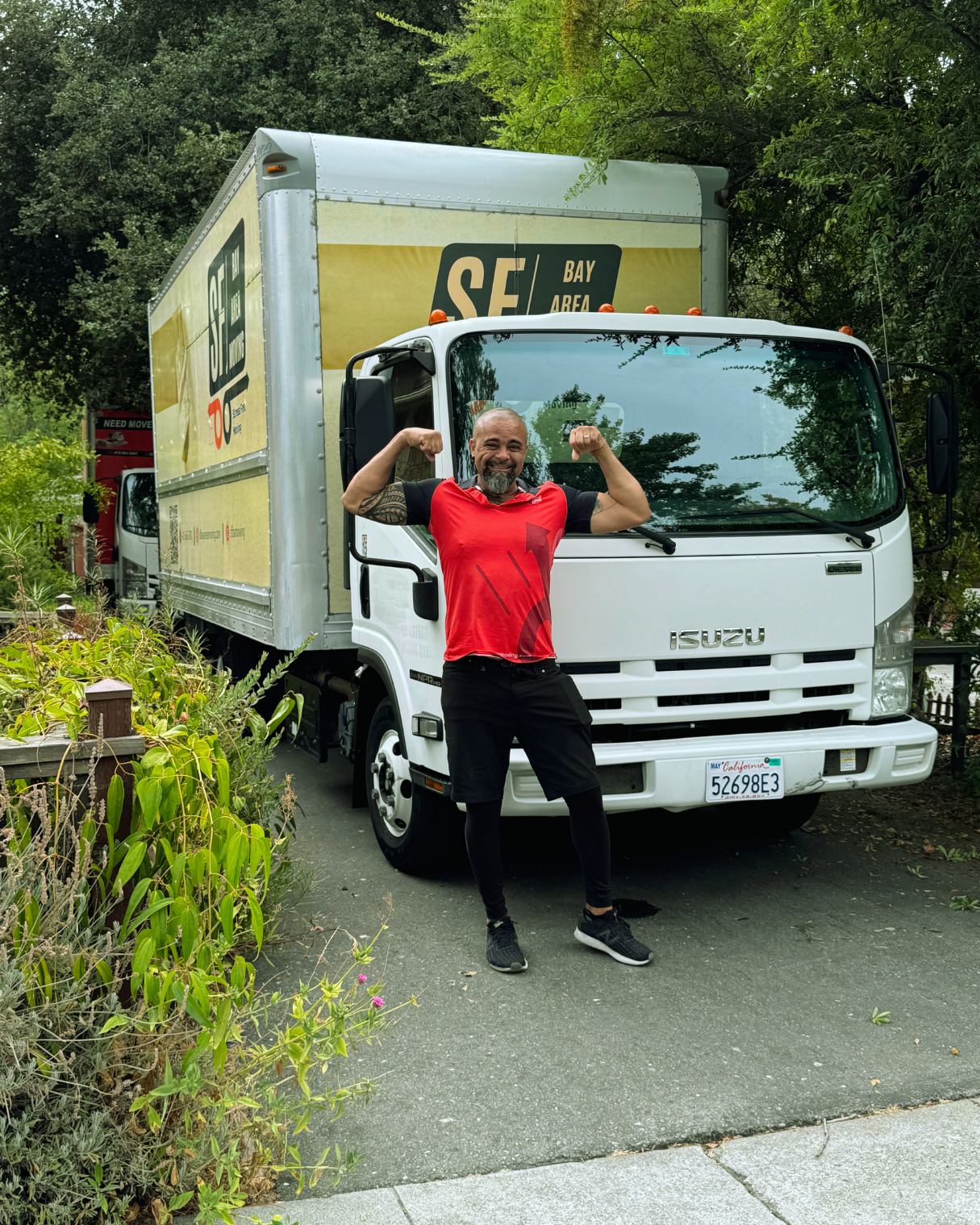
The move happens in the space between addresses: parking, loading, bridges, weather, elevators, keys, storage, and the sequence of the day.
Choose the real staging point
The closest curb is not always legal or usable. Explain the driveway, alley, garage, loading zone, or practical alternative.
- Check vehicle clearance.
- Describe traffic and street width.
- Measure the carry from staging to door.
Build timing around constraints
Elevator reservations, key pickup, loading permits, building cutoffs, bridge traffic, and destination access create the true schedule.
- Put fixed deadlines on one timeline.
- Allow for check-in and setup.
- Do not schedule the day around best-case driving alone.
Plan the route and sequence
Multiple stops, storage, pickups, bridge crossings, and building windows should be stated before the move begins.
- List every stop in order.
- Separate pickup from delivery priorities.
- Flag items needed first at the destination.
Prepare for Bay Area conditions
Rain, coastal fog, heat, hills, events, and busy corridors can change loading and travel without changing the mileage.
- Protect the carry path.
- Keep weather-sensitive items identified.
- Share any neighborhood access changes you know about.
SERVICE LINKS THAT MATCH THIS GUIDE
CITY PAGES TO CHECK NEXT
QUESTIONS PEOPLE ASK AROUND THIS TOPIC
Should I include stops at storage or another address?
Yes. Every stop changes route, timing, handling, and the order in which items should be loaded.
Does bad weather automatically cancel a move?
Not automatically. Conditions, safety, access, and availability determine what is practical. Share concerns directly during follow-up.
What is a long carry?
It is a meaningful distance between the truck and the door or elevator. Hallways, courtyards, garages, and restricted curbs can create one.