city guide
SF Walk-Up Moving: How Stairs Change the Plan Before the First Box Moves
A practical look at stair count, landings, furniture turns, exterior access, parking distance, neighbor coordination, and packing for San Francisco walk-ups.
Written by Movers In Bay Area Editorial Team. Reviewed by Local Move Team. Updated June 11, 2026.
Quick takeaways
- Count actual flights and exterior steps.
- Measure the narrowest turn, not just the front door.
- Parking distance multiplies stair effort.

01Say the floor and show the stairs
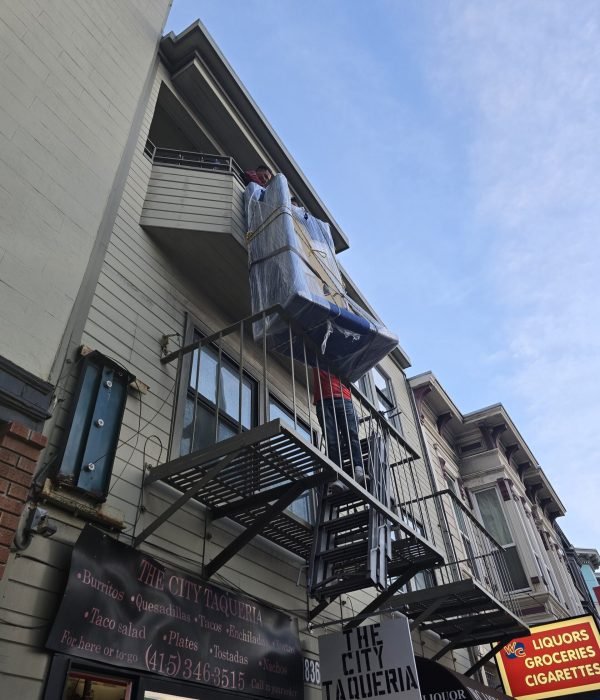
A third-floor unit can mean different things depending on entry level, split landings, exterior steps, and basement storage. Photos or video help the mover see the real path.
02Furniture needs a turn-by-turn check
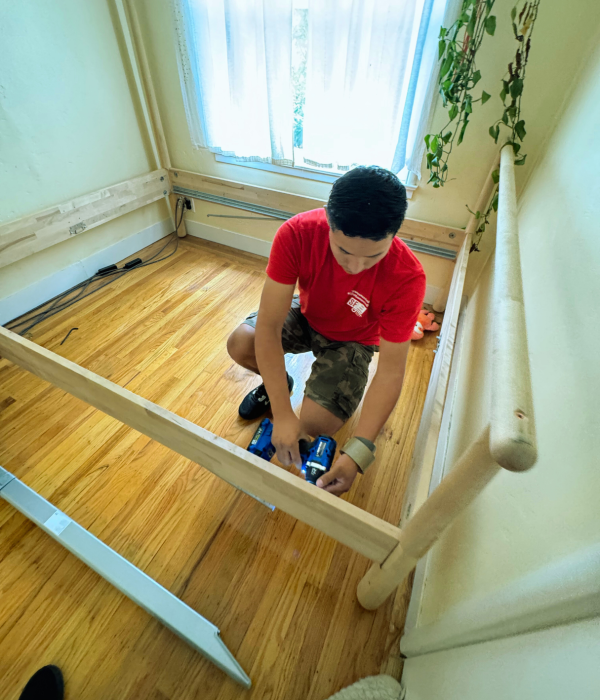
Measure doors, rails, ceilings, and landings for sofas, mattresses, wardrobes, and desks. Disassembly decisions should happen before the piece is wedged halfway down.
03The curb is part of the staircase
If the truck is far from the entrance, every item travels the long carry before reaching the stairs. Describe legal staging and any hills between curb and door.
Ready to see what your move would cost?
04Pack for control
Use manageable boxes, close every container, protect fragile contents, and avoid loose bags that are hard to carry safely on stairs.
05Respect shared space
Notify neighbors when appropriate, keep exits clear, control doors, and avoid blocking narrow halls with boxes. A walk-up move affects the entire path, not only the unit.
Frequently asked questions
How should I count stairs for a quote?
Describe floors, flights, landings, exterior steps, and whether entry begins above or below street level.
Can large furniture fit down a walk-up?
Measure the piece and tightest route points; disassembly may be required.
Why does parking matter so much?
A long carry adds distance to every stair trip and can change time and labor.